

I coach with two primary goals in mind: To promote wonder and cultivate wisdom.
What is Wonder and Why is it Important?

Wonder — a feeling caused by something surprising, beautiful or amazing; a thing that is surprising, beautiful, or hard to believe.
To Wonder — to have an interest in knowing or learning something: to think about something with curiosity.

Wonder, an essential component of learning, is the nurturing soil within which learning grows and blossoms. Wonder is important for learners because it creates a state of being open to learning and because questions arise out of wonder, leading to answers.

Wonder is not only important for learners, but for teachers as well. Teachers and coaches who wield wonder as an effective tool will appreciate learners and their efforts and accomplishments. They will wonder what to do and how to do it in order to facilitate learning. They will wonder why something is not working, or wonder when to effectively cultivate a particular skill or talent. Educators who do not use wonder will quickly trod on the delicate sprouts of learners’ growing understandings, or miss important moments that illuminate a learners’ strengths and weaknesses.

Wonder also brings joy to the learning process. Recent science of the brain teaches us that learners perform better when they are relaxed and happy. Wonder, curiosity and amazement provide the energy and motivation to work through challenges, continue diligent practice toward acquiring skills and enjoy the fruits of our accomplishments.
Why is Wisdom the Goal?

Wisdom — the knowledge gained by having many experiences in life; the natural ability to understand things that other people cannot understand; knowledge of what is proper or reasonable: a good sense or judgment.
Wisdom as Knowledge — accumulated learning that can be applied to life. Knowledge without wisdom is a collection of facts and understandings that are not used.
Wisdom is the ability to use one’s knowledge in productive and effective ways.
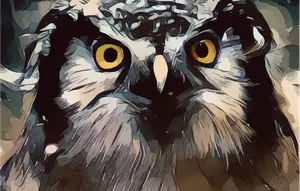
Wisdom as Insight — the ability to discern inner qualities and relationships. Insight is the power or act of seeing into a situation, penetrating below the surface into the depths.
Wisdom is the ability to perceive what is not at first evident and to apply sympathy and clarity to a situation or problem.

Many people associate wisdom with old age, but this is not a prerequisite! In fact, when one perceives with wonder it is easy to see the wisdom of children. For example, children do not inherently perceive racial divides—that is something learned. Young children are known to forgive easily and to approach problems with optimism regardless of their lack of experience or skills. Many youth today are courageous leaders in the human rights arena, are innovative advocates for environmental protection and are collaborators in technological advancement.

Indeed, it is the youth who will inherit the challenges our collective societies have historically created. When we cultivate wisdom in our young learners, we are preparing them for being quality contributors to wise change and community stewardship. Wisdom is the means for their success; necessary, appropriate, important, logically unavoidable if they are to carry society forward.

You don’t have to be on track for saving the world to use wisdom. Wisdom is applied daily to life, through healthy habits and decision making. Wisdom moderates our emotions, helps us choose our best friends and partners and leads to successful and fulfilling lifestyles. This is what we want for our youth. This is why wisdom is the goal.